.png)

Search Results
182 results found with an empty search
- Sensory Overload: The Hidden Obstacle to Brain Injury Recovery
Sensory Overload: The Hidden Obstacle to Brain Injury Recovery Introduction Brain injury recovery is a complex process that often involves various therapies and treatments to help patients regain their cognitive, emotional, and physical abilities. However, one of the lesser-known factors that can hinder recovery is sensory overload. This phenomenon occurs when the brain is inundated with information from the five senses--light, sound, taste, touch, and smell--and is unable to process it effectively. As a result, the brain perceives this as a threat and goes into fight, flight, or freeze mode, which can exacerbate symptoms and delay progress in rehabilitation. The Negative Impact of Sensory Overload on Brain Injury Recovery Increased Anxiety and Stress When the brain is overwhelmed by sensory input, it can trigger anxiety and stress responses. These heightened emotional states can exacerbate existing symptoms, such as headaches, dizziness, and cognitive difficulties. Moreover, chronic stress and anxiety can impair neuroplasticity, the brain's ability to adapt and rewire itself, which is crucial for recovery after an injury. Hindered Cognitive Function Sensory overload can lead to cognitive fatigue, making it difficult for brain injury survivors to focus and process information. This can interfere with cognitive rehabilitation exercises and slow down progress in regaining essential skills such as memory, attention, and problem-solving. Sleep Disturbances Excessive sensory stimulation can cause sleep disturbances, such as insomnia or interrupted sleep patterns. Adequate sleep is vital for the brain to heal, as it allows for the removal of waste products and promotes the growth of new neural connections. Sleep disturbances can hinder the brain's natural recovery process and exacerbate fatigue, cognitive issues, and mood disorders. Emotional Dysregulation Sensory overload can trigger emotional outbursts, irritability, or mood swings in brain injury survivors. These emotional reactions may be difficult for the individual to control, leading to increased stress and strained interpersonal relationships, further complicating the recovery process. Reduced Participation in Rehabilitation Activities Sensory overload can make it difficult for brain injury survivors to engage in rehabilitation activities, such as physical therapy, occupational therapy, or social activities. These activities are essential for promoting functional recovery and independence. However, an individual experiencing sensory overload may become overwhelmed, leading to avoidance or withdrawal from these therapeutic activities. Seek Professional Support Consult with healthcare professionals, such as occupational therapists or neuropsychologists, who can provide guidance and support in managing sensory overload during the recovery process. Conclusion Sensory overload is a significant challenge for individuals recovering from brain injuries, and it can negatively impact their rehabilitation progress. ________________ sensory overload, brain injury recovery, rehabilitation, anxiety, stress, cognitive function, sleep disturbances, emotional dysregulation, calm environment, neuroplasticity, occupational therapy, physical therapy, cognitive fatigue, sleep schedule, weighted blankets, fidget toys, gradual exposure, stimulating environments, professional support, neuropsychologist, sensory aids, interpersonal relationships, functional recovery, independence, sensory stimulation
- The Heartbreaking Reality of Life with Brain Injury
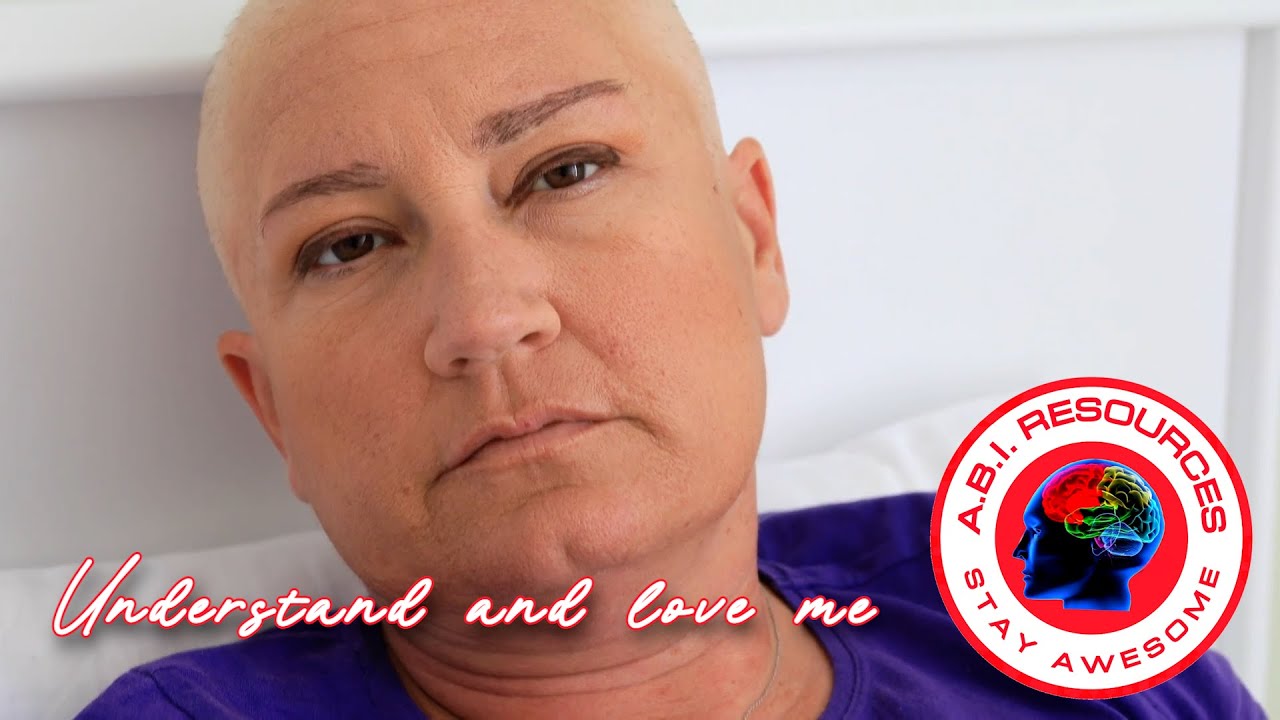
Imagine waking up one day to find that the world you knew no longer exists. That every sight, sound, touch, and emotion has been turned on its head. This is what it's like to experience the world after a brain injury. For those who have never experienced a brain injury, it's difficult to fully understand the challenges that come with it. There are vision challenges that can make it hard to see clearly or even recognize objects or people. The world may seem blurry or distorted, and the eyes may struggle to work together. It's like walking around with a veil over your eyes that no one else can see. Headaches are a constant companion, ranging from mild discomfort to unbearable pain that can leave you debilitated. Body pain can also be a daily struggle, with muscles that spasm and joints that ache. It's like being trapped in a body that no longer responds to your commands. Communication can be a challenge too. Finding the right words to express yourself or even understanding what others are saying can feel like an insurmountable task. Seizures can also strike without warning, leaving you feeling scared and vulnerable. Mobility can be another issue, with coordination and balance often impaired. Even the simplest tasks, like getting dressed or walking across a room, can become overwhelming. It's like being a toddler again, learning how to navigate the world all over again. Depression is also common, with the loss of independence and identity that often comes with a brain injury. Friends and family may struggle to understand what you're going through, leaving you feeling isolated and alone. Perhaps the saddest part of all is that people often underestimate the impact of a brain injury. They may not realize the extent of the pain and challenges that you face every day. They may not understand why you can't just "snap out of it" or "push through the pain." It can be a lonely and frustrating experience, feeling like no one else understands what you're going through. So if you know someone who has experienced a brain injury, take the time to learn about their challenges and show them empathy and support. The world may be a different place for them, but with understanding and compassion, we can help make it a little less lonely and painful. Dear friends and supporters, As a provider of support and resources for individuals with brain injuries, we at ABI Resources are deeply saddened by the daily struggles that our clients face. Every day, we see firsthand the physical and emotional pain that they endure as they navigate a world that doesn't always understand or accommodate their needs. We implore you to have compassion and understanding for those with brain injuries. These injuries are often invisible, making it easy for others to overlook the challenges that they pose. But the impact is real, and it can be devastating. From the headaches and body pain that can make even the simplest tasks feel impossible to the communication and mobility challenges that can leave our clients feeling isolated and frustrated, brain injuries can have a profound and lasting effect on a person's life. They can rob them of their independence, their sense of self, and their ability to pursue their goals and dreams. But it doesn't have to be this way. With greater awareness, understanding, and advocacy, we can make a difference in the lives of those with brain injury. We can help them to access the resources and support they need to live fulfilling and meaningful lives. We urge you to support ABI advocacy efforts and to educate yourselves and others about the impact of brain injuries. Whether it's donating to a local organization that provides support for individuals with brain injury, advocating for better accommodations in your workplace or community, or simply taking the time to listen to someone who is struggling, every act of compassion and understanding makes a difference. So let us come together as a community to support and uplift those with brain injuries. Let us show them that they are not alone in their struggles and that we are here to help them navigate the challenges that lie ahead. Together, we can create a world that is more compassionate, understanding, and supportive for all. __________ brain injury, ABI, acquired brain injury, invisible disability, compassion, understanding, advocacy, physical pain, emotional pain, isolation, frustration, communication challenges, mobility challenges, depression, anxiety, seizures, headaches, body pain, traumatic brain injury, TBI, cognitive impairment, memory loss, rehabilitation, support, resources.
- Brain injury is an invisible disability
Brain injury is an invisible disability that can have a profound impact on a person's life. It can affect their cognitive, physical, and emotional functioning, and recovery can take a lot of energy and resources. For those dealing with a brain injury, the challenges can be overwhelming. That's where ABI Resources comes in. ABI Resources is a team of professionals who are dedicated to providing guidance, support, and resources to help individuals with brain injuries navigate the challenges of recovery. They understand that every brain injury is unique, and they tailor their services to meet the specific needs of each individual. One of the challenges of brain injuries is that they can be difficult to detect. People with brain injuries may appear to be functioning normally, but they are often dealing with a range of challenges that can impact their daily lives. ABI Resources understands this, and they provide support that goes beyond traditional medical care. Their services include rehabilitation and therapy, assistance with daily tasks, financial support, and much more. They are there to support you every step of the way, so that you can focus on your recovery without worrying about the challenges that lie ahead. ABI Resources is particularly well-suited to help those in Connecticut. They offer home-based community care and supported living, as well as access to the Connecticut MFP Money Follows the Person and ABI Waiver program. These programs provide financial assistance to help individuals with brain injuries receive the care and support they need to thrive. It's important to remember that brain injuries can have a profound impact on an individual's life, and recovery can be a long and challenging process. But with the right support, individuals with brain injuries can overcome these challenges and thrive. ABI Resources is committed to providing that support, and they are there to help you or someone you know every step of the way. If you or someone you know has suffered a brain injury, don't hesitate to reach out for help. ABI Resources is here to support you, and together, we can help ensure that individuals with brain injuries receive the care and support they need to live their best lives. _______________________ brain injury, invisible disability, cognitive functioning, physical functioning, emotional functioning, recovery, ABI Resources, guidance, support, resources, rehabilitation, therapy, daily tasks, financial support, Connecticut, home-based community care, supported living, MFP, Money Follows the Person, ABI Waiver program.
- "FAST Action: Recognizing the Signs of Stroke and How to Help"
Stroke is a medical emergency that requires immediate attention. Every year, millions of people worldwide suffer from stroke, and early recognition of the symptoms is crucial for preventing long-term damage and saving lives. In this article, we will discuss how to recognize the signs of stroke and how to best help a person who may be experiencing one. The Signs of Stroke The signs and symptoms of stroke may vary depending on the type of stroke and the area of the brain that is affected. However, there are some common signs that indicate a stroke may be occurring. The American Stroke Association has developed a simple acronym to help people remember these signs: FAST. Face drooping: Ask the person to smile. If one side of their face droops, it may indicate a stroke. Arm weakness: Ask the person to raise both arms. If one arm drifts downward, it may indicate a stroke. Speech difficulty: Ask the person to repeat a simple phrase. If they slur their words or have trouble speaking, it may indicate a stroke. Time to call emergency services: If the person exhibits any of these symptoms, it is important to call emergency services immediately. Other signs and symptoms of stroke may include: Sudden weakness or numbness in the face, arm, or leg, especially on one side of the body Sudden confusion or trouble understanding speech Sudden trouble seeing in one or both eyes Sudden dizziness, loss of balance or coordination, or trouble walking Sudden severe headache with no known cause How to Help a Person Experiencing a Stroke If you suspect that someone may be having a stroke, it is essential to act quickly. Call emergency services immediately and follow these steps: Stay with the person: Try to keep the person calm and comfortable while waiting for medical help to arrive. Note the time: It is important to note the time when the symptoms began. This information can help medical professionals determine the best course of treatment. Do not give the person anything to eat or drink: In some cases, the person may have difficulty swallowing, and giving them anything to eat or drink could make the situation worse. Loosen any tight clothing: If the person is wearing any tight clothing, such as a tie or scarf, loosen it to help them breathe more easily. Be prepared to provide information: The emergency services team may ask you for information about the person's medical history, medications, and allergies. Be prepared to provide this information if possible. ________________________ stroke, signs of stroke, FAST, medical emergency, American Stroke Association, symptoms, face drooping, arm weakness, speech difficulty, time to call emergency services, numbness, confusion, trouble seeing, dizziness, loss of balance, trouble walking, severe headache, medical history, medications, allergies, emergency services, first aid, healthcare, neurology, brain health.
- "Peacemakers, One Vision" Mahatma Gandhi and Nelson Mandela
"Peacemakers, One Vision" ABI RESOURCES, BE TRUE TO YOURSELF. Nelson Mandela and Mahatma Gandhi ABI Resources is an organization that has been founded with a clear vision: to empower people and provide them with the necessary tools and resources to overcome adversity. This vision has been inspired by some of the greatest leaders in history, such as Nelson Mandela and Mahatma Gandhi, who lived their lives with compassion in the face of adversity. Nelson Mandela, who was imprisoned for 27 years for his opposition to apartheid in South Africa, is a shining example of what it means to be resilient and to stand up for what you believe in. Despite the immense suffering he endured, Mandela never lost sight of his vision of a free and equal South Africa. His unwavering commitment to justice and equality inspired millions around the world and continues to do so to this day. Mahatma Gandhi, similarly, was a beacon of hope and inspiration in India's struggle for independence from British colonial rule. Through non-violent civil disobedience and a deep commitment to justice and equality, Gandhi was able to galvanize the Indian people and bring about the end of British rule. His philosophy of non-violence and compassion has inspired generations of activists around the world, and his legacy continues to be felt today. The vision of ABI Resources is built on the principles of compassion, resilience, and a commitment to justice and equality. We believe that every individual has the power to overcome adversity and to live a fulfilling and meaningful life, and we are committed to providing the resources and support necessary to make this possible. To achieve this vision, we must all be kind, understanding, and strong. We must stand up for what we believe in and never lose sight of our values and principles. We must be resilient in the face of adversity, just as Mandela and Gandhi were, and we must never give up on our vision of a better world. At ABI Resources, we are committed to building a community of compassionate and resilient individuals who are dedicated to empowering themselves and others. We believe that through this community, we can achieve our vision of a world in which every individual has the opportunity to thrive and succeed. So let us all be inspired by the example of Nelson Mandela and Mahatma Gandhi, and let us commit ourselves to living with compassion in the face of adversity. Let us be kind, understanding, and strong, and let us stand up for what we believe in. Together, we can build a better world for ourselves and for future generations. ABI Resources, vision, compassion, adversity, Nelson Mandela, Mahatma Gandhi, resilience, justice, equality, non-violence, community, empowerment, kindness, understanding, strength, values, principles, commitment.
- "UTIs and Brain Injuries: The Surprising Link You Need to Know About!" ABI RESOURCES
Urinary tract infections, or UTIs, are common in people with brain injuries. In some cases, a UTI in a person with a brain injury can cause confusion, disorientation, and mood swings. This can be especially true in older adults or those who have existing cognitive impairments. If you or someone you know is experiencing confusion, disorientation, or significant changes in mood or behavior, it's important to seek medical attention as soon as possible. It's important to note that these symptoms can be caused by many different factors, not just a UTI, so it's important to get a proper diagnosis. However, if a UTI is the cause, prompt treatment can help alleviate these symptoms and prevent further complications. So if you notice any changes in behavior or mood in yourself or someone else with a brain injury, especially if they're also experiencing other symptoms of a UTI, it's important to get medical help right away. Some of the most common symptoms of a UTI include feeling like you need to pee more often than usual, experiencing pain or discomfort when you pee, and having cloudy or smelly urine. Sometimes, you might also have a fever, feel confused or disoriented, or even leak urine involuntarily. If you or someone you know has a brain injury and is experiencing any of these symptoms, it's important to see a doctor as soon as possible. UTIs can be serious, and early treatment can help prevent complications. Now, let's talk about some of the most common reasons that people get UTIs. The most common cause is bacteria getting into the urinary tract, which can happen for a few different reasons. For example, if you don't drink enough water, your urine may become too concentrated, making it easier for bacteria to grow. Additionally, if you don't empty your bladder fully when you pee, bacteria can linger in your urinary tract and cause an infection. Finally, if you use a catheter, which is a tube that helps you empty your bladder, you may be more prone to UTIs because bacteria can enter your urinary tract through the catheter. Overall, the best way to prevent UTIs is to stay hydrated, pee regularly, and practice good hygiene, especially if you use a catheter. And if you do develop symptoms of a UTI, don't hesitate to seek medical attention right away. UTI: urinary tract infection, cystitis, pyelonephritis, urethritis, E. coli, antibiotics, urinary tract health, urinary system, bladder infection, UTI prevention, UTI symptoms TBI: traumatic brain injury, head injury, concussion, brain trauma, neurotrauma, brain damage, brain injury rehabilitation, TBI symptoms, TBI treatment, TBI prevention, TBI recovery Connecticut: CT, Constitution State, Nutmeg State, Hartford, New Haven, Bridgeport, Stamford, Connecticut landmarks, Connecticut history, Connecticut tourism, Connecticut events UTIs Brain injury Cognitive impairments Confusion Mood swings Disorientation Symptoms Complications Diagnosis Treatment.
- Support, without support, is no support at all! Unsupported Caregivers
Support, without support, is no support at all! A culture of blame and lazy management is driving employees away from supported living providers. Employees that are neglected, blamed, and unsupported, hate their jobs and this directly affects the people and families they serve. To truly support people and families, we need to value and support the caregivers who work tirelessly to provide quality care. That's why ABI Resources is so sought after and trusted. ABI prioritizes employees, teams, education, and compassion, creating a positive and supportive work environment that ultimately leads to better outcomes for everyone. Working as a caregiver with ABI Resources is not just a job - it's a calling. It's an opportunity to use your skills and experience to make a real difference in the world. So if you're looking for a career that is both rewarding and fulfilling, consider joining the team at ABI Resources today. Together, we can help individuals with disabilities and other life challenges live their best lives, with dignity, independence, and respect. Home healthcare, In-home care, Caregiver, Personal care aide, Certified nursing assistant (CNA), Home health aide (HHA), Private duty nursing, Companion care, Respite care, Hospice care, Skilled nursing, Homecare agency, Homecare provider, Rehabilitation services, Elder care, Dementia care, Alzheimer's care, Palliative care, Home health nurse, Medical social worker, Connecticut home healthcare, Connecticut in-home care, Connecticut caregiver, Connecticut personal care aide, Connecticut CNA jobs, Connecticut HHA jobs, Connecticut private duty nursing, Connecticut companion care, Connecticut respite care, Connecticut hospice care, Connecticut skilled nursing, Connecticut homecare agency, Connecticut homecare provider, Connecticut rehabilitation services, Connecticut elder care, Connecticut dementia care, Connecticut Alzheimer's care, Connecticut palliative care, Connecticut home health nurse, Connecticut medical social worker, Senior care, Disability support, Life skills coach, Direct support professional (DSP), Residential counselor, Rehabilitation aide, Mental health support, Special needs care, Autism care, Live-in caregiver. MFP Money follows the person program / ABI Waiver Program.
- "Rewinding to the Fabulous 50s: A Decade of Iconic Cars, Fashion, Music, and Culture!" ABI ART
"The artwork is created by a person who has a brain injury that affects their ability to do things they used to take for granted. Despite the challenges they face, creating art has become a therapeutic and creative outlet that allows them to share their unique perspective with the world. Their artwork not only helps them work through their injury, but it also showcases their creativity and serves as an inspiration to others. By supporting their art, you are helping to empower them and their creative journey." "Take a trip down memory lane to the 1950s, a decade of innovation and change. From the birth of rock 'n' roll to the rise of the Rat Pack, this era left an indelible mark on pop culture. And who can forget the classic cars and iconic fashion of the time? Let's celebrate the fabulous 50s and all the memories they hold!" Rat Pack: RatPack Frank Sinatra Dean Martin Sammy DavisJr JoeyBishop 1950s Cars: 1950sCars Classic Cars Vintage Cars American Cars Muscle Cars Casino: Casino Las Vegas Gambling Blackjack Slot Machines Crooners: Crooners Vocalists BigBand SwingMusic Jazz Fashion: Fashion 1950sFashion RetroStyle VintageFashion MensFashion Music: Music 1950s Music Rat Pack Music Big Band Music Swing Music Connecticut CT community care management care coordination healthcare management elderly care disability services home healthcare senior care longterm care case coordination patient care healthcare advocate health advocate caregiver support community support social services aging in place caregiving resources brain injury traumatic brain injury TBI brain injury awareness homecare community care care management neurorehabilitation disability care rehabilitation therapy cognitive health supportive care family caregiving patientcare recovery journey brain injury recovery self-management health management community support caregiver support ABI Resources supports terrific people and families alongside DSS, The Connecticut Department of Social Services, DMHAS The Connecticut Department of Mental Health and Addiction Services, CCC Connecticut Community Care CCCI, SWCAA Southwestern Connecticut Area on Aging, WCAAA Western Connecticut Area on Ageing, ACR Allied Community Resources, Access Health, and United Services. CT Medicaid Programs. ILST PCA DSP CNA Companion RA. ABI Resources Connecticut community care and supported living agency provider
- "ABI Resources: The Importance of Work-Life Balance in Connecticut Home and Community Care Services"
In today's fast-paced world, finding a balance between work and life can be a real challenge. It's essential to take care of yourself and enjoy your life, and that's where ABI Resources comes in. As a provider of home and community care services in Connecticut, they understand the importance of work-life balance and are committed to helping their clients achieve it. ABI Resources is a Medicaid MFP and ABI Waiver Program agency provider that offers a range of services, including supported living, instructional care, employment, and transitional living. They work with ILST Independent Living Skills Trainers, PCA, Companion, RA Recovery Assistants, Behavioral Health professionals, and other amazing people and families to provide the best care possible. They are committed to supporting their clients and families alongside organizations such as DSS, DMHAS, CCCI, SWCAA, WCAAA, and ACCESS. One of the keys to ABI Resources' success is their focus on work-life balance. They understand that their staff members have a life outside of work and encourage them to take care of themselves and their families. By providing flexible schedules and promoting a healthy work-life balance, they ensure that their staff is happy, healthy, and motivated to provide the best care possible to their clients. Furthermore, ABI Resources' commitment to ongoing staff development and training is another aspect of their success. They provide opportunities for their staff to learn and grow, ensuring that they are up-to-date on the latest techniques and practices. This focus on staff development not only benefits their staff but also their clients, as they receive the most innovative and effective care possible. In conclusion, work-life balance is the key to a happy and healthy life, and ABI Resources understands that. They are committed to providing the best care possible to their clients while ensuring that their staff has a healthy work-life balance. Their focus on ongoing staff development and training sets them apart as a leader in the industry, and their commitment to supporting their clients and families is second to none. So, be yourself, stay awesome, and join ABI Resources in achieving the perfect work-life balance. ABIRResources worklifebalance Connecticut homeandcommunitycare supportedliving ILST PCA Companion RA behavioralhealth DSS DMHAS CCCI SWCAA WCAAA ACCESS staffdevelopment training HCA.0001017.
- United by Love: Embracing the Journey of Brain Injury as a Family.
When we think of brain injuries, such as stroke or traumatic brain injury (TBI), we often focus on the person directly affected. However, these life-altering events create a ripple effect that touches not just the individual but also their family members. The reverberations of a brain injury can impact the lives of mothers, fathers, siblings, spouses, and children, who must all adjust to the new reality. In this article, we will explore the challenges faced by families and highlight the importance of empathy, resilience, and support networks in navigating this difficult journey together. The Emotional Impact A brain injury can have profound emotional consequences for the entire family. As loved ones grapple with the changes brought about by the injury, they may experience a range of emotions, from shock and denial to anger, grief, and helplessness. These emotions may fluctuate and intensify as family members come to terms with the new reality and adjust to the demands of caregiving. The Role of Caregivers Caring for a family member with a brain injury can be an overwhelming responsibility. Mothers, fathers, spouses, and siblings may need to take on new roles as primary caregivers, providing emotional and physical support, coordinating medical care, and managing finances. This can be a draining experience, as caregivers must balance their own emotional well-being with the needs of their loved one. Children's Perspectives Children in the family may struggle to understand and cope with the changes they witness in their loved one. They may experience confusion, sadness, or even guilt, as they try to make sense of the situation. It is crucial for parents and other family members to provide emotional support, reassurance, and age-appropriate explanations to help children process their feelings and adjust to the new family dynamics. Navigating Relationships A brain injury can also affect the quality and dynamics of relationships within the family. Spouses may need to adjust to altered roles and responsibilities, as well as the emotional and physical changes in their partner. Siblings may feel a sense of loss, as their brother or sister may no longer be able to engage in the same activities or offer the same emotional support as before. Communication and understanding are essential in navigating these shifting relationships and fostering continued connections. The Power of Resilience and Support Despite the challenges faced by families impacted by brain injuries, there is a remarkable capacity for resilience and growth. By fostering open communication, seeking professional guidance, and accessing support networks, families can learn to adapt and find strength in one another. Local support groups, online forums, and organizations dedicated to brain injury awareness can provide invaluable resources and connections for families navigating this journey together. Conclusion The ripple effect of a brain injury is undeniable, touching the lives of mothers, fathers, siblings, spouses, and children. As family members adapt to their new reality, it is crucial to embrace empathy, resilience, and support networks to navigate the challenges that lie ahead. While the journey may be difficult, it is also an opportunity for families to grow stronger and more connected, discovering a wellspring of love and compassion that endures even in the face of adversity.
- "Road to Recovery: How a Neurologist Can Help with Brain Injury Rehabilitation"
Brain injury can be a devastating experience for anyone, and the path to recovery can be a long and difficult one. However, with the help of a qualified neurologist, the road to recovery can be made much smoother. A neurologist can help with brain injury recovery by providing a diagnosis, developing a treatment plan, and coordinating care. This may include prescribing medications to manage symptoms, providing referrals for physical, occupational, or speech therapy, and monitoring progress over time. They may also order imaging studies such as CT or MRI scans, to help understand the extent of the injury and plan treatment. Additionally, they may also provide guidance on lifestyle modifications, such as diet and exercise, that can help optimize recovery. Finding a qualified neurologist may seem like a daunting task, but there are several ways to go about it. One of the most effective ways is to ask your primary care physician for a referral. They may be able to recommend a neurologist who is well-suited to your needs. Additionally, professional medical organizations, such as the American Academy of Neurology, have online directories of neurologists in your area. Your insurance provider may also have a list of in-network neurologists that you can choose from. Hospitals and medical centers may have neurologists on staff, and they may be able to provide a referral as well. Finally, you can check online review sites such as Yelp, Healthgrades, or Google reviews to see the feedback from other patients. It is important to note that it is always good to verify the credentials of the neurologist, such as the education, training, and certification. This will ensure that you are receiving care from a qualified and experienced professional who can help you on your road to recovery. In addition to finding a qualified neurologist, it is important to seek out the support of organizations like ABI Resources. They provide fantastic support to individuals and families alongside organizations like DSS, The Connecticut Department of Social Services, and DMHAS, The Connecticut Department of Mental Health and Addiction Services. They offer a range of services, including CT Medicaid Programs, ILST Companion RA, and Connecticut community care and supported living agency provider. In conclusion, a brain injury can be a life-altering experience, but with the help of a qualified neurologist, the road to recovery can be made much smoother. Take the time to find a qualified neurologist who can help you develop a treatment plan, coordinate care, and monitor your progress over time. Additionally, seek out the support of organizations like ABI Resources, who can offer a range of services to help you on your road to recovery. Remember, with the right care and support, it is possible to make a full recovery from a brain injury. Neurology Brain Injury Recovery Treatment Plan Physical Therapy Occupational Therapy Speech Therapy MRI CT Scan Lifestyle Modifications Referral Medical Care Healthcare AB IResources DSS DMHAS Connecticut CT Medicaid ILST Companion RA Supported Living Allied Approved List Medicaid American Academy of Neurology Brain Injury Recovery Patient Care Medical Professional Health Tips
- "ABI's Peepin' It Real Party!" ABI VIP CLUB
"ABI's Peepin' It Real Party!" ABI VIP CLUB No egg-scuses for you to miss out on the fun - Can't wait to see you! We'll be peepin' it real! ABI Resources is a reputable organization that provides exceptional support to individuals and families in collaboration with various government agencies and community service providers, including the Connecticut Department of Social Services DSS, COU Community Options, the Connecticut Department of Mental Health and Addiction Services DMHAS, Connecticut Community Care CCC CCCI Southwestern Connecticut Area on Aging SWCAA, Western Connecticut Area on Aging WCAAA, Allied Community Resources ACR, Access Health, and United Services. ABI Resources collaborates care with renowned institutions such as UCONN, Yale, and Hartford. As a community care and supported living provider, ABI Resources is dedicated to offering high-quality and personalized care to enhance the lives of those it serves. Medicaid MFP Money Follows the person program / ABI Waiver Program / PCA waiver. Connecticut, Hartford, Bridgeport, New Haven, Stamford, Waterbury, Norwalk, Danbury, Yale University, Mystic, Connecticut Agency, Provider. Fairfield Hartford Litchfield Middlesex New Haven New London Tolland Windham. ILST RA COMPANION HOMEMAKER PCA CNA DSP TBI Providing Disability Home Care Support Services Across Connecticut.