.png)

Search Results
182 results found with an empty search
- "Kitten Cuddles: The Adorable Secret to a Happier, Healthier Life"
Little kittens and other cute animals have a special way of bringing joy and happiness into our lives. Studies have shown that spending time with animals can lower our stress levels and reduce feelings of loneliness and depression. These furry companions provide us with unconditional love and affection, making us feel appreciated and cared for. Additionally, caring for animals can also help us develop a sense of responsibility and empathy towards other living beings. So, the next time you're feeling down or stressed, consider spending some time with a cute little kitten or other animal to boost your mood and improve your overall well-being! Kitten Cuddles, Animal Therapy, Pet Love, Furry Friends, Mental Health, Happiness, Wellness, Cute Animals, Pet Therapy, Stress Relief, Adorable Pets, Pet Care, Emotional Support, Feel Good, Companionship, Purr-fect Health, Feline Friends, Pet Bonding, Joyful Living, Happy Pets.
- Conquer TBI Meal Prep Hurdles: Unleash the Power of Life Skills Training
Traumatic brain injury (TBI) and stroke survivors face numerous challenges as they work towards regaining their independence. Among these challenges, food and meal preparation can be particularly daunting, as it involves various cognitive and motor skills that may be affected by their condition. Life skills trainers play a pivotal role in helping TBI and stroke survivors overcome these challenges, making the entire process smoother and more manageable. In this article, we will explore the benefits of a life skills trainer for both the client and the team, and discuss the strategies and solutions they provide for those recovering from brain injuries. The Challenges Food and meal preparation involves various tasks that can be difficult for TBI and stroke survivors. These challenges may include: Cognitive challenges: Impaired memory, attention, and planning abilities can make it difficult for survivors to remember recipes, plan meals, and follow cooking instructions. Motor challenges: Reduced strength, coordination, and dexterity can make tasks like chopping, stirring, and lifting heavy pots challenging. Shopping challenges: Survivors may face difficulties navigating stores, remembering shopping lists, and managing finances while shopping for groceries. How a Life Skills Trainer Helps A life skills trainer is a professional who works closely with TBI and stroke survivors to help them regain their independence in everyday tasks. They provide: Personalized support: Trainers tailor their approach to the individual needs and abilities of each client, focusing on their strengths and addressing their weaknesses. Skill-building: Trainers teach survivors various strategies and techniques to help them complete tasks more efficiently and safely. Encouragement and motivation: Trainers provide emotional support, fostering a sense of accomplishment and boosting self-esteem. Beneficial Strategies Life skills trainers employ numerous strategies to make the challenges of food and meal preparation easier for TBI and stroke survivors, including: Task simplification: Breaking down complex tasks into smaller, more manageable steps can help survivors understand and complete them more easily. Visual aids: Using pictures, labels, and step-by-step guides can assist survivors in remembering recipes and following cooking instructions. Adaptive equipment: Tools like easy-grip utensils, non-slip mats, and one-handed cutting boards can make food preparation safer and more accessible. Time management: Establishing routines and schedules can help survivors manage their time more effectively and reduce the cognitive load of meal planning. Shopping assistance: Trainers can help survivors create organized shopping lists, navigate stores, and manage finances while shopping for groceries. Benefits for the Client and the Team By addressing the challenges of food and meal preparation, life skills trainers benefit not only the client but also the entire support team, including family members and healthcare professionals. They: Enhance the client's independence and self-esteem: By mastering essential skills, clients regain a sense of control and autonomy in their lives. Reduce caregiver burden: As clients become more self-sufficient, caregivers can focus on other aspects of support and care. Improve overall quality of life: Proper nutrition and the enjoyment of food contribute to the overall well-being of TBI and stroke survivors. Conclusion Life skills trainers play an essential role in helping TBI and stroke survivors overcome the challenges of food and meal preparation. By providing personalized support, teaching practical strategies, and fostering a sense of accomplishment, trainers not only make the process of food preparation more manageable but also contribute to the overall well-being and independence of their clients. In doing so, they benefit both the individual and the entire support team, paving the way for a better quality of life for those recovering from brain injuries. __________________________ TBI, stroke, life skills trainer, brain injury, meal preparation, food challenges, cognitive challenges, motor challenges, shopping challenges, personalized support, skill-building, motivation, task simplification, visual aids, adaptive equipment, easy-grip utensils, non-slip mats, one-handed cutting boards, time management, routines, schedules, shopping assistance, organized shopping lists, store navigation, financial management, caregiver support, independence, self-esteem, quality of life, nutrition, cooking, recipes, meal planning, stroke recovery, traumatic brain injury recovery, rehabilitation, therapy, occupational therapy, physical therapy, cognitive rehabilitation, stroke support, TBI support, stroke survivor, brain injury survivor, adaptive tools, grocery shopping, meal prep, kitchen safety, cooking instructions, memory aid, planning, attention, coordination, dexterity, strength, emotional support, financial planning, grocery budget, store layout, daily routine, weekly routine, cooking tips, stroke resources, TBI resources, brain injury resources, stroke rehabilitation, TBI rehabilitation, brain injury therapy, stroke therapy, mealtime strategies, healthy eating, food preparation, kitchen organization, stroke adaptation, TBI adaptation, brain injury adaptation, cooking techniques, stroke solutions, TBI solutions, brain injury solutions, kitchen aids, survivor support, disability support, brain injury awareness, stroke awareness, life skills, recovery support, adaptive living, independent living, disability management
- The Connection between a Clean Environment and TBI Recovery
Traumatic brain injury (TBI) is a significant public health concern, affecting millions of people worldwide. Rehabilitation plays a crucial role in helping TBI survivors regain their independence, cognitive abilities, and overall quality of life. One of the key factors in successful rehabilitation is the establishment of a clean and organized living environment. In this article, we will explore the benefits of maintaining a tidy home during TBI recovery and the crucial role home support staff play in this process. The Connection between a Clean Environment and TBI Recovery Reduced Cognitive Load A clutter-free environment minimizes the amount of information the brain must process, reducing cognitive load. This is particularly important for TBI survivors, who may experience cognitive challenges such as difficulty concentrating, memory impairments, and information processing deficits. By keeping the home organized and minimizing distractions, the individual can devote more cognitive resources to their rehabilitation exercises and daily activities. Increased Sense of Control TBI survivors often experience a loss of control over various aspects of their lives. A clean and organized living space can help restore a sense of control and autonomy, contributing to improved self-esteem and emotional well-being. This feeling of control is vital for promoting motivation, engagement, and adherence to rehabilitation programs. Reduced Stress and Anxiety An untidy environment can exacerbate stress and anxiety, which can negatively impact the recovery process. In contrast, a clean and organized space can promote feelings of calm and relaxation, providing a conducive atmosphere for healing and progress. Reduced stress levels can also improve sleep quality, which is essential for brain health and recovery. Enhanced Safety and Accessibility Keeping the home clean and organized reduces the risk of falls and injuries, which is particularly important for TBI survivors who may have mobility or balance issues. In addition, an organized living space ensures that necessary items are easily accessible, fostering independence and self-sufficiency. The Role of Home Support Staff in TBI Recovery For many TBI survivors, maintaining a clean and organized living environment can be challenging due to cognitive, physical, or emotional limitations. This is where home support staff play an indispensable role in the recovery process. The act of creating and maintaining a clean and organized environment for clients with traumatic brain injuries not only brings significant benefits to the clients themselves but also to the staff who support them. By engaging in this vital aspect of care, staff members develop a deeper understanding of their clients' needs and challenges, fostering a strong bond and a sense of fulfillment in their work. As they witness the transformative impact of a well-ordered living space on their clients' well-being, independence, and rehabilitation progress, staff members become more motivated and inspired to continue making a difference in their clients' lives. This shared journey of growth and healing, rooted in the simple yet powerful act of keeping a clean and organized home, ultimately nurtures a cycle of compassion, progress, and mutual enrichment for both clients and staff. Home support staff can: Assist with Household Chores By taking on cleaning and organizational tasks, home support staff can help maintain a tidy living space, allowing the individual to focus on their rehabilitation efforts. This support can be tailored to the individual's needs, ranging from occasional assistance to full daily support with cleaning and chores. Encourage Participation and Independence Home support staff can involve TBI survivors in the cleaning and organizing process as much as possible, encouraging them to take an active role in maintaining their environment. This involvement promotes a sense of ownership and autonomy, while also providing opportunities for cognitive and motor skill development. Offer Emotional Support The process of adapting to a new way of living after a traumatic brain injury can be emotionally challenging. Home support staff can provide a listening ear, empathy, and encouragement, fostering a supportive environment that facilitates recovery. Collaborate with Rehabilitation Professionals By working closely with the individual's rehabilitation team, home support staff can help implement strategies and techniques designed to improve cognitive, emotional, and physical functioning in the home setting. Conclusion A clean and organized home plays a significant role in the recovery process for individuals with traumatic brain injury. Home support staff are essential in maintaining this environment and providing the necessary support to facilitate progress and improve the overall quality of life for TBI survivors. By working together, TBI survivors, their families, and home support staff can create a nurturing and conducive environment for healing and growth. _______________________ traumatic brain injury, TBI recovery, clean home, organized home, reduced cognitive load, sense of control, reduced stress, enhanced safety, accessibility, home support staff, household chores, emotional support, rehabilitation, cognitive challenges, independence, self-esteem, emotional well-being, sleep quality, brain health, fall prevention, self-sufficiency, cognitive development, motor skill development, collaboration, quality of life, public health, clutter-free environment, information processing, concentration, memory impairments, distractions, daily activities, autonomy, motivation, engagement, adherence, calm, relaxation, healing, progress, safety, mobility, balance, emotional limitations, physical limitations, assistance, tailored support, active role, environment maintenance, ownership, empathy, encouragement, supportive environment, rehabilitation professionals, cognitive functioning, emotional functioning, physical functioning, home setting, nurturing environment, growth, adaptability, new way of living, listening ear, professional collaboration, strategies, techniques, fall risk, injury prevention, personal items, organization, mental well-being, stress management, anxiety reduction, healing atmosphere, self-confidence, rehabilitation exercises, emotional health, cognitive resources, mental focus, structured living, brain injury survivors, family support, injury rehabilitation, recovery process, health improvement, household management, professional assistance, patient care, therapy, recovery goals, support network, residential care, living space, psychological benefits, organization skills, mental clarity, and recovery journey.
- The Importance of Work-Life Balance in Connecticut Home and Community Care
Achieving Work-Life Balance: ABI Resources Leads the Way in Connecticut's Home and Community Care Services In today's fast-paced world, finding a balance between work and life can be a real challenge. It's essential to take care of yourself and enjoy your life, and that's where ABI Resources comes in. As a provider of home and community care services in Connecticut, they understand the importance of work-life balance and are committed to helping their clients achieve it. One of the keys to ABI Resources' success is their focus on work-life balance. They understand that their staff members have a life outside of work and encourage them to take care of themselves and their families. By providing flexible schedules and promoting a healthy work-life balance, they ensure that their staff is happy, healthy, and motivated to provide the best care possible to their clients. Furthermore, ABI Resources' commitment to ongoing staff development and training is another aspect of their success. They provide opportunities for their staff to learn and grow, ensuring that they are up-to-date on the latest techniques and practices. This focus on staff development not only benefits their staff but also their clients, as they receive the most innovative and effective care possible. In conclusion, work-life balance is the key to a happy and healthy life, and ABI Resources understands that. They are committed to providing the best care possible to their clients while ensuring that their staff has a healthy work-life balance. Their focus on ongoing staff development and training sets them apart as a leader in the industry, and their commitment to supporting their clients and families is second to none. So, be yourself, stay awesome, and join ABI Resources in achieving the perfect work-life balance. Discover how they make a difference in the lives of clients and staff alike, contributing to the well-being and happiness of the Connecticut community. With ABI Resources, you can be sure that your work-life balance is a priority, as they continue to pave the way in home and community care services. ___________________________ ABI Resources is a Medicaid MFP and ABI Waiver Program agency provider that offers a range of services, including supported living, instructional care, employment, and transitional living. They work with ILST Independent Living Skills Trainers, PCA, Companions, RA Recovery Assistants, Behavioral Health professionals, and other amazing people and families to provide the best care possible. They are committed to supporting their clients and families alongside organizations such as DSS, DMHAS, CCCI, SWCAA, WCAAA, and ACCESS. work-life balance, ABI Resources, Connecticut, home care, community care, Medicaid MFP, ABI Waiver Program, supported living, instructional care, employment, transitional living, ILST, Independent Living Skills Trainers, PCA, Companion, RA Recovery Assistants, Behavioral Health, professional, families, DSS, DMHAS, CCCI, SWCAA, WCAAA, ACCESS, staff development, training, industry leader, client support, family support, flexible schedules, health, happiness, motivation, best care, innovative, effective, personal care, self-care, well-being, life outside of work, happy staff, healthy staff, ongoing learning, growth, latest techniques, best practices, commitment, successful, essential, fast-paced world, challenge, enjoying life, service provider, agency, range of services, amazing people, care coordination, collaboration, supportive environment, work culture, priorities, work fulfillment, life satisfaction, mental health, emotional health, physical health, balance, harmony, stress management, time management, quality of life, professional development, employee satisfaction, client satisfaction, healthcare, care services, positive impact, Connecticut community, social support, teamwork, compassionate care, holistic approach, individualized care, tailored services, client needs, family needs, personal growth, skill enhancement, continuous improvement, staff retention, career advancement, employee well-being, organizational success, community involvement, care excellence, quality services, client-focused, family-centered, trust, reliability, dedication.
- Aphasia: Understanding its Impact and Providing Support
Title: Aphasia: Understanding its Impact and Providing Support Subtitle: Exploring the Effects of Aphasia on Brain Injury Survivors and Their Relationships Aphasia is a communication disorder that affects a person's ability to understand or produce language. It is often the result of a traumatic brain injury (TBI) or stroke, both of which can cause damage to the regions of the brain responsible for language processing. The consequences of aphasia extend beyond language and communication, impacting the individual's relationships, social life, emotional health, and employment. In this article, we will explore the nature of aphasia, its effects on individuals and their relationships, and how people can provide support to those living with this challenging condition. What is Aphasia? Aphasia is a neurological disorder that impairs a person's ability to comprehend, speak, read, or write language. It can be caused by a variety of factors, but the most common causes are traumatic brain injury (TBI) and stroke. The severity of aphasia can vary significantly, from mild to severe, and its manifestations depend on the specific brain regions affected. How Aphasia Affects the Person Individuals with aphasia may experience difficulty in different aspects of language, such as word-finding, comprehension, speaking, reading, or writing. These difficulties can be incredibly frustrating, leading to feelings of isolation, depression, and low self-esteem. Furthermore, aphasia can impact daily tasks like making phone calls, engaging in conversations, or even ordering food at a restaurant, leading to a reduced quality of life. The Impact of Aphasia on Relationships Aphasia can significantly impact relationships, as communication is an essential component of human connection. Family, friends, and partners may struggle to understand the needs and emotions of the person with aphasia, leading to feelings of frustration and helplessness on both sides. The resulting communication barriers can strain relationships and contribute to social isolation. Emotional Health The challenges posed by aphasia can take a toll on a person's emotional well-being. Feelings of frustration, anger, and depression are common, as individuals grapple with their newfound communication difficulties. Additionally, the loss of independence and the potential impact on employment can contribute to stress and anxiety. Employment Aphasia can make it difficult or impossible for individuals to continue working in their chosen field, particularly if their profession relies heavily on communication. Loss of employment can have a significant impact on self-esteem, financial stability, and overall well-being. How People Can Support and Help Supporting a person with aphasia requires patience, understanding, and empathy. Here are some ways to help: Educate yourself about aphasia: Gain a better understanding of the condition, its causes, and potential treatments. This knowledge will help you better empathize with the person's struggles. Encourage open communication: Foster an environment where the person with aphasia feels comfortable expressing their needs and emotions, even if it takes time and effort. Modify communication strategies: Use simple, clear language, and give the person with aphasia ample time to process and respond. Use visual aids, gestures, or drawings to supplement verbal communication. Include the person in social activities: Encourage participation in social events and gatherings while being mindful of potential communication challenges. Seek professional help: Speech and language therapists can provide valuable support and guidance for individuals with aphasia and their families. Conclusion Aphasia is a complex communication disorder that impacts many aspects of a person's life, including relationships, emotional health, and employment. Understanding and supporting those with aphasia is crucial for their well-being and recovery. By fostering empathy, patience, and open communication, we can help improve the quality of life for individuals living with this challenging condition. __________________________ aphasia, brain injury, stroke, communication, language, traumatic brain injury, TBI, neurological disorder, comprehension, speaking, reading, writing, word-finding, relationships, social life, emotional health, employment, support, understanding, empathy, frustration, anger, depression, anxiety, stress, isolation, quality of life, self-esteem, financial stability, well-being, speech therapy, language therapy, communication strategies, visual aids, gestures, drawings, professional help, speech therapist, language therapist, social activities, open communication, education, recovery, neurology, brain damage, cognitive impairment, rehabilitation, therapy, cognitive function, communication barriers, expressive aphasia, receptive aphasia, global aphasia, anomic aphasia, primary progressive aphasia, Broca's area, Wernicke's area, language processing, cerebral cortex, brain region, verbal communication, nonverbal communication, listening, conversation, speech, written language, oral language, cognitive-communication, functional communication, neuroplasticity, brain health, stroke recovery, TBI recovery, family, friends, partners, caregivers, support group, coping strategies, assistive technology, augmentative communication, alternative communication, AAC, speech-language pathology, patient care, multidisciplinary approach, neuropsychology, disability, adaptation, resilience, brain injury awareness, stroke awareness, communication disorder awareness, community support, intervention, life after stroke, life after TBI, brain injury resources
- ILST Independent Life Skills Training for Brain Injury TBI and Stroke Recovery
Title: Independent Life Skills Training: A Critical Step in Brain Injury and Stroke Recovery Recovering from a traumatic brain injury (TBI) or stroke can be an incredibly challenging journey, both for the individual and their loved ones. To regain a sense of normalcy and independence, it is essential to focus on developing independent life skills. Independent life skills training can not only improve the overall quality of life for individuals with brain injuries but also significantly contribute to their mental and emotional wellbeing. Why is Independent Life Skills Training Needed? Boost Self-Confidence: Independent life skills training helps individuals regain their self-confidence by enabling them to perform daily tasks, such as cooking, cleaning, and personal care, with minimal assistance. This renewed sense of autonomy can greatly enhance their overall wellbeing. Promote Mental Health: The process of relearning skills and adapting to new ways of performing tasks can be mentally stimulating, thus improving cognitive function and reducing the risk of depression and anxiety. Social Integration: Independent life skills training facilitates the process of social reintegration, allowing individuals to participate in social activities, foster relationships, and live a more fulfilling life. Who is Best Suited for Independent Life Skills Training? Although each individual's recovery journey is unique, those who have undergone brain injury or stroke rehabilitation and are ready to take the next step towards independence are ideal candidates for independent life skills training. This includes individuals who have shown progress in their recovery, are motivated to learn, and have the support of their healthcare team. When Should Independent Life Skills Training Begin? The timing for independent life skills training depends on the individual's medical condition, progress in rehabilitation, and overall readiness. It is essential to consult with healthcare professionals, including physicians, occupational therapists, and psychologists, to determine the appropriate time to begin training. What Does Independent Life Skills Training Involve? Independent life skills training covers a wide range of activities and skills necessary for daily living. Some of these include: Self-care: Personal hygiene, grooming, dressing, and toileting. Meal Preparation: Cooking, planning, and grocery shopping. Home Management: Cleaning, laundry, and budgeting. Mobility: Using assistive devices, navigating public transportation, and driving if appropriate. Communication: Effective communication, social skills, and using technology. Where Does Independent Life Skills Training Take Place? Training can occur in various settings, such as rehabilitation centers, community-based programs, or even in the individual's home. The choice of location depends on the individual's needs, preferences, and available resources. How is Independent Life Skills Training Conducted? A team of professionals, including occupational therapists, speech therapists, and psychologists, typically conducts independent life skills training. The training process is personalized and goal-oriented, focusing on the specific needs and abilities of the individual. Conclusion: Independent life skills training is a vital component of the recovery process for individuals who have experienced a brain injury or stroke. By fostering self-confidence, promoting mental health, and facilitating social integration, independent life skills training can significantly improve the quality of life for these individuals. It is essential to consult with healthcare professionals and seek out appropriate resources to ensure a successful transition towards independence. ________________________ independent life skills training, traumatic brain injury, TBI, stroke, recovery, rehabilitation, self-confidence, mental health, social integration, personal care, meal preparation, home management, mobility, communication, occupational therapists, speech therapists, psychologists, daily living, personalized training, goal-oriented, quality of life, wellbeing, cognitive function, depression, anxiety, social activities, relationships, healthcare team, brain injury recovery, stroke recovery, readiness, self-care, hygiene, grooming, dressing, toileting, cooking, planning, grocery shopping, cleaning, laundry, budgeting, assistive devices, public transportation, driving, effective communication, social skills, technology, rehabilitation centers, community-based programs, home-based training, personalized approach, individual needs, brain injury rehabilitation, stroke rehabilitation, emotional wellbeing, adaptive techniques, independence, autonomy, healthcare professionals, physicians, supportive environment, functional skills, decision-making, problem-solving, cognitive rehabilitation, adaptive strategies, relearning, adjustment, personal growth, resilience, goal-setting, therapy, individual progress, tailored approach, motivation, resource availability, skill development, reintegration, coping strategies, mental stimulation, physical challenges, emotional challenges, social challenges, family support, patient-centered care, collaborative approach, therapeutic interventions, functional independence, psychological support, recovery journey, adaptive equipment, community resources, life skills education, vocational training, patient empowerment, recovery milestones, transitional services.
- Overcoming Employment Challenges for Brain Injury Survivors: Pathways to Success
Traumatic brain injury (TBI) and acquired brain injury (ABI) survivors face an uphill battle when it comes to finding and maintaining employment. Though these individuals possess unique strengths and abilities, they often encounter challenges due to cognitive, physical, and emotional changes resulting from their injuries. In this article, we will explore the challenges brain injury survivors face in the job market, discuss the types of jobs available, and present strategies to help them find the best possible employment opportunities. By empowering brain injury survivors, we can create a more inclusive and diverse workforce that benefits everyone. Challenges Faced by Brain Injury Survivors Cognitive and Physical Limitations: Brain injury survivors may experience difficulties in memory, attention, processing speed, and problem-solving. Physical limitations can also impede their ability to perform certain tasks, making it harder to find suitable jobs. Discrimination and Stigma: Employers may have misconceptions about the capabilities of brain injury survivors, leading to discrimination during the hiring process. Additionally, survivors might feel stigmatized and hesitant to disclose their injuries. Access to Resources: Many brain injury survivors lack access to appropriate vocational rehabilitation services, job coaching, and skill development programs. Job Opportunities for Brain Injury Survivors Though challenges exist, there are a variety of jobs that brain injury survivors can excel in, depending on their individual skills and limitations. Examples of suitable job opportunities include: Administrative Assistant: Organizing files, scheduling appointments, and managing correspondence. Data Entry Clerk: Entering and updating data in computer systems with accuracy and speed. Retail Sales Associate: Assisting customers, stocking shelves, and handling transactions. Customer Service Representative: Answering customer inquiries, resolving issues, and providing support. Receptionist: Greeting visitors, answering phones, and managing office tasks. Library Assistant: Shelving books, assisting patrons, and maintaining library materials. Production Worker: Assembling products, operating machinery, and performing quality control checks. Graphic Designer: Creating visual concepts and designs for various media platforms. Writer or Editor: Producing written content or reviewing and improving existing content. Janitor or Custodian: Cleaning and maintaining facilities, ensuring a safe and tidy environment. Gardener or Landscaper: Caring for plants, maintaining lawns, and designing outdoor spaces. Social Media Coordinator: Managing social media accounts, creating content, and engaging with followers. Animal Caretaker: Feeding, grooming, and exercising animals in shelters or other facilities. Tutor or Teacher's Aide: Supporting students in their learning and assisting teachers in the classroom. Warehouse Worker: Sorting, packing, and shipping products in a warehouse setting. Barista or Food Service Worker: Preparing and serving food and beverages in a cafe or restaurant. Artisan or Craftsperson: Creating handmade items such as jewelry, pottery, or textiles. Office Support Staff: Assisting with various tasks in an office setting, such as copying, filing, and data management. Community Support Worker: Assisting individuals with disabilities in their daily lives and promoting independence. Mail Clerk: Sorting and distributing mail in a business or organization. Recycling Worker: Collecting, sorting, and processing recyclable materials. Assembly Line Worker: Working in a factory setting to assemble, inspect, and package products. Volunteer Coordinator: Organizing and managing volunteers for events or community programs. Photographer or Videographer: Capturing images or videos for personal or professional use. Fitness Instructor: Leading group exercise classes, providing fitness coaching, and promoting a healthy lifestyle. These job opportunities for brain injury survivors depend on their individual skills, interests, and limitations. With the right support and accommodations, survivors can excel in various fields and contribute positively to the workforce. Strategies for Empowerment and Success Vocational Rehabilitation Services: Survivors should seek out vocational rehabilitation services to receive tailored support, including assessment, career counseling, job placement assistance, and training. Skill Development: Continuous learning and skill development can enhance a survivor's employability. Pursuing certifications, attending workshops, and gaining new experiences can make them more competitive in the job market. Self-Advocacy: Brain injury survivors must learn to advocate for themselves, highlighting their strengths and requesting reasonable accommodations when necessary. Networking: Building a strong network of professional contacts can help survivors access job opportunities, gain referrals, and receive support in their job search. Inclusive Employers: Employers should be educated on the benefits of hiring individuals with brain injuries, fostering a culture of inclusion and providing necessary accommodations to support these employees. Conclusion Empowering brain injury survivors to find meaningful employment is a vital step in their journey towards independence and success. By understanding the challenges they face, identifying suitable job opportunities, and implementing strategies for support and growth, we can create a more inclusive and diverse workforce that benefits everyone. Ultimately, this will not only improve the lives of brain injury survivors but contribute to a more compassionate and understanding society. ___________________ brain injury, stroke, TBI, ABI, survivors, finding a job, employment challenges, cognitive limitations, physical limitations, discrimination, stigma, access to resources, job opportunities, administrative roles, clerical roles, retail, customer service, creative industries, strategies, empowerment, success, vocational rehabilitation, skill development, self-advocacy, networking, inclusive employers, meaningful employment, independence, overcoming challenges, suitable jobs, professional contacts, workplace accommodations, continuous learning, tailored support, assessment, career counseling, job placement assistance, training, certifications, workshops, experiences, competitive job market, reasonable accommodations, inclusive workforce, diverse workforce, self-confidence, attention to detail, organization skills, data entry, filing, scheduling appointments, sales, customer support, hospitality, social skills, graphic design, writing, creative pursuits, self-expression, flexible work environment, strong network, job referrals, job search support, inclusive culture, understanding society, compassionate society, benefits of hiring, culture of inclusion, professional development, career growth, job availability, workforce diversity, workplace support, job coaching, fostering inclusion, inclusive hiring practices, accessible services, employer education, tailored job assistance, unique strengths, personal abilities, employment barriers, work opportunities, employment support, vocational services, inclusive job market, collaboration, personal growth, overcoming obstacles, job satisfaction, workforce integration, workplace understanding, rehabilitation services, brain injury employment.
- "Know Your Strokes: Understanding the Different Types of Stroke"
Stroke is a medical condition that occurs when blood flow to the brain is interrupted or reduced, leading to the death of brain cells. Strokes can be caused by a variety of factors, including high blood pressure, smoking, high cholesterol, and diabetes. There are several different types of strokes, each with their own unique characteristics and treatment options. The most common type of stroke is ischemic stroke, which accounts for approximately 85% of all strokes. Ischemic strokes occur when a blood vessel that supplies blood to the brain becomes blocked by a blood clot. These types of strokes can be further divided into two categories: thrombotic strokes and embolic strokes. Thrombotic strokes occur when a blood clot forms within an artery that supplies blood to the brain, while embolic strokes occur when a blood clot forms in another part of the body and travels to the brain. Hemorrhagic strokes, on the other hand, occur when a blood vessel in the brain ruptures or leaks blood. This can be caused by high blood pressure, an aneurysm, or a weakened blood vessel. There are two types of hemorrhagic strokes: intracerebral hemorrhages and subarachnoid hemorrhages. Intracerebral hemorrhages occur when a blood vessel in the brain bursts, causing blood to spill into the surrounding tissue. Subarachnoid hemorrhages occur when there is bleeding between the brain and the tissues that cover it. Transient ischemic attacks (TIAs) are sometimes referred to as "mini-strokes." These types of strokes occur when blood flow to the brain is briefly interrupted. TIAs can cause temporary symptoms that are similar to those of a stroke, but they typically last only a few minutes to a few hours and do not cause permanent damage. The treatment for stroke varies depending on the type of stroke and the severity of the symptoms. Ischemic strokes may be treated with medications to dissolve the blood clot or surgery to remove the clot. Hemorrhagic strokes may require surgery to repair the damaged blood vessel or to relieve pressure on the brain. In some cases, rehabilitation may be necessary to help the patient regain their strength and mobility after a stroke. In conclusion, strokes can be a life-threatening medical condition that requires prompt medical attention. Understanding the different types of strokes and their symptoms can help individuals recognize the signs of a stroke and seek treatment as soon as possible. _______ stroke, ischemic stroke, hemorrhagic stroke, transient ischemic attack, TIA, medical condition, blood flow, brain cells, blood clot, thrombotic stroke, embolic stroke, intracerebral hemorrhage, subarachnoid hemorrhage, high blood pressure, smoking, high cholesterol, diabetes, symptoms, treatment options, rehabilitation, life-threatening, prompt medical attention, awareness. physiatrist, medicaid, connecticut, drug rehab, 860 dsp, embolic vs ischemic stroke, hartford hospital patient advocate, homemaker and companion application, homemaking.com, facebook, professional audio signal processing, analog signals, digital signals, revolutionary audio processing platform, digital signal processors, leverages, veteran audio industry engineers, delivering quality sound.
- Brain Injury Day Groups: Beneficial to Healthcare Agencies or Harming Clients?
Traumatic Brain Injuries and Rehabilitation: Assessing the Impact of Brain Injury Day Groups on Healthcare Agencies and Clients In recent years, brain injury day groups have emerged as a popular approach to managing and rehabilitating individuals with traumatic brain injuries (TBIs). These groups offer structured activities and social engagement for clients and are perceived as a very cost-effective method for healthcare agencies to deliver care. Nevertheless, there has been increasing debate concerning the efficacy of these programs and the possibility that they may inadvertently cause long-term harm to clients. This article will examine the potential benefits and drawbacks of brain injury day groups and their implications for both healthcare agencies and clients. Benefits for Healthcare Agencies: Cost-effectiveness: Brain injury day groups enable the consolidation of resources and personnel, allowing for the treatment of multiple clients concurrently and thus reducing overall costs. Lower hiring and training costs: Healthcare agencies can save on training costs and shorten the time required for training new staff members. Minimal pay strategy: This can offer several benefits to healthcare agencies. By keeping salaries at the lowest possible levels, these organizations can reduce their labor costs significantly, which can lead to increased profits and a stronger financial position. Additionally, with lower salary expenditures, agencies have the opportunity to allocate funds toward other aspects of their business. However, it is essential to consider the potential ethical implications and long-term consequences of such an approach, as it may negatively impact employee morale, retention, and the overall quality of care provided to clients. Reduced operational costs: Grouping clients with comparable needs optimizes staffing, resources, and facility use, ultimately lowering the overall cost of providing care and enabling more efficient resource allocation. Beneficial caseload management for overworked care managers: In a competitive market, the financial aspect plays a crucial role in shaping care management providers' strategies and decision-making processes. By focusing on cost reduction through better caseload management, providers can strengthen their financial position and gain a competitive edge. Partnering with agency groups allows care management providers to consolidate clients, thereby optimizing resource allocation and minimizing operational expenses. The primary motivation behind this approach is the potential for significant cost savings, which can lead to increased profitability and financial stability for the care management providers. In a market where financial performance is a key determinant of success, the ability to manage caseloads effectively and reduce expenses is an attractive proposition for providers looking to thrive and maintain a sustainable business model. However, the priorities of healthcare agencies, such as cost-effectiveness and efficiency, may not always align with clients' needs. This misalignment can result in clients being referred to day groups that do not adequately address their specific needs or cause them to feel unsupported or uncomfortable. Potential Harm to Clients: Recognizing potential drawbacks that may affect clients' overall well-being is essential. Overlooked individual needs: The group-based nature of day programs may not cater to client's unique needs, resulting in generalized care that does not account for personal circumstances. Social pressure: Clients might feel compelled to conform to the group dynamic or suppress their needs to fit in, which can hinder their engagement in rehabilitation. Inappropriate peer interactions: Clients may be adversely influenced by their peers in the day group setting, with exposure to potentially harmful behaviors negatively impacting an individual's recovery. Overlooked individual needs: Day groups might not cater to each client's unique needs, leading to suboptimal care and recovery outcomes. Inadequate staff training: Staff members may lack specialized training to address the complexities of brain injuries, compromising the quality of care. One-size-fits-all approach: Group programs may apply a generic approach to care, disregarding the unique needs of individual clients. Inappropriate client mix: Mixing clients with varying cognitive and functional abilities may hinder progress or exacerbate existing issues. Inappropriate client mix refers to the situation in which clients with diverse cognitive and functional abilities are grouped in an educational or support setting. This mismatch can impede progress and potentially worsen existing issues for the individuals involved. Sexual disinhibition:in traumatic brain injury (TBI) survivors can have a profoundly negative impact on others in group settings, such as day programs or support groups. The impulsive and socially inappropriate sexual behaviors affected individuals exhibit, such as exhibitionism, unwanted touching, or offensive comments, can create an uncomfortable and unsafe environment for other group members. These behaviors may lead to feelings of distress, anxiety, and vulnerability among peers, potentially hindering their progress and disrupting the overall group dynamic. When clients with varying needs and capacities are mixed, the interventions and approaches professionals use may not be optimally tailored to each individual's unique needs. This can lead to ineffective or counterproductive outcomes, as the specific requirements of some clients may be overlooked or inadequately addressed. Moreover, individuals with more severe impairments may inadvertently affect the progress of those with milder issues due to differences in the pace of learning, communication skills, or behavior management needs. This can result in negative social dynamics, reduced motivation, and frustration among clients. Limited personal attention: The group setting may not allow for the close, individualized attention required for proper rehabilitation. Inconsistency in care: Frequent staff turnover or changes in group structure can lead to inconsistent care and hinder progress. Burnout and fatigue: The demands of day groups may overwhelm clients, leading to burnout and reduced engagement in the recovery process. Overemphasis on socialization: Excessive focus on social interaction might detract from clients' needs. Miscommunication: Clients may struggle to communicate their needs effectively, resulting in unaddressed concerns. Reduced motivation: Clients may feel overwhelmed or discouraged by the group environment, leading to decreased motivation for recovery. Inadequate progress tracking: Day groups may not have a reliable system in place for reporting, tracking, and measuring challenges. Confidentiality concerns: Clients may worry about their privacy, as personal information may be inadvertently shared within the group. Exclusion of family involvement: Day groups may not facilitate family participation in the recovery process, potentially affecting clients' support systems. Rigid scheduling: Inflexible schedules may not accommodate clients' recovery needs and other responsibilities or commitments, such as work or family. Inadequate mental health support: Day groups may not address clients' emotional needs, potentially exacerbating existing mental health issues. Inappropriate goal-setting: Goals set by day groups may not align with clients' personal objectives, leading to frustration and disengagement. Insufficient cultural sensitivity: Day groups may not be culturally competent, alienating clients from diverse backgrounds. Stigma and discrimination: Clients may face negative stereotypes or discrimination within day groups, damaging their self-esteem and recovery potential. Inadequate discharge planning: Day groups may not provide sufficient guidance and support for clients transitioning out of the program, leading to poor continuity of care. While brain injury day groups can provide healthcare agencies with notable benefits in terms of cost-effectiveness and streamlined care delivery, it is crucial to ensure that clients' individual needs are not neglected. Healthcare agencies must carefully balance the benefits of group-based care with the potential harm it may inflict on clients. _____________ brain injury, day groups, healthcare agencies, clients, traumatic brain injuries, TBIs, structured activities, support, social engagement, cost-effective, care delivery, debate, efficacy, potential benefits, drawbacks, impact, consolidation, resources, personnel, group-based activities, therapy, streamlined care, specialized care, targeted interventions, enhanced communication, healthcare providers, coordination, individual needs, overlooked, generalized care, tailored care, unique circumstances, social pressure, group dynamic, authenticity, rehabilitation, recovery, inappropriate peer interactions, negative influence, harmful behaviors, detrimental effects, conclusion, balance, advantages, successful implementation, supportive environment, inclusive, open communication, caregivers, valuable tool, minimizing harm, minimal pay strategy, lower hiring and training costs, reduced operational costs, beneficial caseload management, staff training, one-size-fits-all approach, inappropriate client mix, sexual disinhibition, limited personal attention, inconsistency in care, burnout and fatigue, overemphasis on socialization, miscommunication, reduced motivation, inadequate progress tracking, confidentiality concerns, exclusion of family involvement, rigid scheduling, inadequate mental health support, inappropriate goal-setting, insufficient cultural sensitivity, stigma and discrimination, inadequate discharge planning.
- Home-based Healing: Revolutionize Your Care with Home-Based Support Services
Embrace the Future of Personalized Care: At Home, On Your Terms Are you tired of having to visit an impersonal, crowded brick and mortar building to access essential support services? Do you crave a more comfortable and familiar environment where you can truly thrive? Look no further! Home-based community support services are here to revolutionize the way you receive care, all within the cozy confines of your own home. Imagine a world where you no longer have to deal with the hassle of commuting to appointments, navigating bureaucratic systems, or feeling rushed through your time with a professional. Welcome to the new age of support services, tailored to your needs and designed to make your life easier. 🏡 Why Choose Home-Based Community Support Services? Comfort and Convenience: Receive personalized care in the most familiar environment—your home! No more worrying about travel, unfamiliar settings, or uncomfortable waiting rooms. Focus on what truly matters: your well-being. Customizable Care: Enjoy a support plan tailored to your specific needs and preferences. With home-based services, professionals work with you to create a comprehensive approach that fits your lifestyle and goals. Improved Mental Health: Experience increased levels of comfort and reduced anxiety in the sanctuary of your own home. This improved state of mind can foster better communication with support professionals, leading to more effective care. Enhanced Privacy: Receive one-on-one attention in the privacy of your home, allowing you to express your concerns and emotions without the worry of being overheard or judged. Stronger Relationships: Build trust and rapport with your support team through regular, personalized interactions. This helps to create a strong foundation for your care, leading to more successful outcomes. 💡 Home-Based Community Support Services: A Smarter Solution The beauty of home-based community support services lies in their flexibility. No matter your situation, there's a service that fits your needs. From mental health counseling to in-home nursing care, and from meal assistance to disability support, the options are limitless. By choosing home-based services, you're investing in a support system that adapts to you, instead of you having to adapt to the system. Enjoy the freedom of scheduling appointments at your convenience, collaborating with a dedicated team of professionals, and taking control of your care journey. 🌟 Embrace the Future: Join the Home-Based Community Support Revolution It's time to break free from the limitations of traditional brick and mortar facilities. Embrace the future of personalized care with home-based community support services, and discover the countless benefits of receiving support in the comfort of your own home. Make the smart choice today, and join the revolution. Experience the unparalleled convenience, privacy, and effectiveness of home-based community support services. Your well-being deserves nothing less. future of personalized care, home-based community support, essential support services, comfortable environment, thrive at home, revolutionize care, hassle-free appointments, tailored needs, customizable care, improved mental health, enhanced privacy, stronger relationships, flexibility, mental health counseling, in-home nursing care, meal assistance, disability support, dedicated professionals, convenient scheduling, brick and mortar limitations, home-based revolution, well-being, convenience, privacy, effectiveness, smart choice, familiar environment, comprehensive approach, lifestyle, goals, reduced anxiety, one-on-one attention, trust building, rapport, successful outcomes, smarter solution, adaptability, taking control, care journey, breaking free, countless benefits, unparalleled experience. home-based healing, personalized care, holistic health, mental wellness, emotional support, spiritual growth, relaxation techniques, stress reduction, self-care practices, natural remedies, meditation, mindfulness, energy healing, yoga, telehealth, virtual therapy, self-healing, comfort, home environment, alternative medicine, integrative therapies, remote healing sessions, essential oils, breathwork, healing community
- The Lifeline of Independence: The Personal Care Attendant (PCA)
The Lifeline of Independence: The Personal Care Attendant (PCA) Program Preserving Dignity and Empowering Lives Through Personal Care Assistance Introduction: Imagine living with chronic, severe, or permanent disabilities, and the struggle of performing everyday tasks that most people take for granted. For many adults aged 18 to 64, this is their reality. However, thanks to the Personal Care Attendant (PCA) program, countless individuals are provided with the vital support they need to continue living in their own homes. This empowering initiative not only enhances the quality of life for those who require assistance but also eases the burden on long-term care facilities and nursing homes. In this article, we will discuss the importance of the PCA program, and why it is essential to continue advocating for its expansion and accessibility. The Transformative Impact of the PCA Program: Preserving dignity and independence: The PCA program is more than just a support service - it's a lifeline for those who need it most. By providing assistance with activities of daily living (ADLs), personal care attendants help maintain the dignity and independence of their clients. This invaluable service enables individuals to remain in the comfort of their own homes, surrounded by their possessions and memories, rather than being institutionalized. Boosting mental and emotional well-being: A significant advantage of the PCA program is the improvement of the mental and emotional well-being of individuals with disabilities. Remaining at home, in a familiar and comfortable environment, can greatly contribute to a person's overall happiness and sense of stability. The personalized care provided by the PCA program not only meets the physical needs of clients but also nurtures their emotional well-being. Reducing the strain on long-term care facilities: By helping individuals remain in their homes, the PCA program alleviates pressure on long-term care facilities and nursing homes. This not only benefits the individuals receiving in-home care but also ensures that limited resources are directed toward those who genuinely require institutional care. Economic advantages: The PCA program is a cost-effective alternative to institutionalization. By providing personal care assistance in the home, the program often reduces overall healthcare costs associated with long-term care facilities. Additionally, it enables individuals to contribute to their local economy and maintain their financial independence to some extent. The Path to Eligibility and Expansion: Eligibility for the PCA program is determined through a two-part process, assessing both functional and financial requirements. The program currently has a waiting list, which highlights the urgent need to expand its capacity and reach. As a society, we must advocate for the expansion of the PCA program and work towards reducing the waiting list. By doing so, we can ensure that more individuals have access to this life-changing service, empowering them to lead dignified, independent lives. Conclusion: The Personal Care Attendant (PCA) program is a vital resource for adults with chronic, severe, and permanent disabilities. By providing assistance with daily activities and enabling individuals to remain in their own homes, the program fosters dignity, independence, and improved mental well-being. It is our responsibility as a community to continue supporting and advocating for the PCA program's expansion, ensuring that it remains accessible to those who need it most. Together, we can make a positive impact on the lives of countless individuals and create a more inclusive, compassionate society. _____________________ Personal Care Attendant, PCA program, disabilities, chronic, severe, permanent, in-home care, assistance, activities of daily living, ADLs, independence, dignity, emotional well-being, mental well-being, long-term care facilities, nursing homes, institutionalization, eligibility, waiting list, financial requirements, functional requirements, cost-effective, alternative, expansion, advocacy, support, Medicaid, bathing, dressing, eating, feeding, toileting, transfer, medication, behavioral, supervision, adult care, community, accessibility, personalized care, local economy, financial independence, home care, personal assistance, quality of life, aged 18 to 64, healthcare costs, resource allocation, familiar environment, comfort, stability, happiness, pressure reduction, healthcare services, empowering, transformative impact, lifeline, essential, disability support, personalized service, adult support, daily living, adaptive equipment, care providers, health care, social services, government programs, patient care, home health, disability services, mobility assistance, home-based care, respite care, caregiver support, compassionate care, self-sufficiency, disability rights, social inclusion, health and wellness, mental health, adaptive living, personal growth, aging in place, care coordination, elderly care, family support, home environment, home modifications, patient-centered care, self-determination, special needs, supportive services, care management, community resources, healthcare system, patient advocacy, public health, rehabilitation, social impact, social work, adaptive technology, care planning, disability awareness, health equity, holistic care, human services, independent living, social care, accessible services.
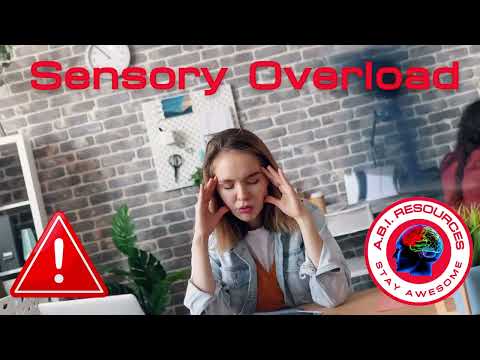
- Take a 2-Minute Journey: Experience Sensory Overload. Brain Injury
Can you imagine watching the entire video at full volume, while feeling utterly exhausted and battling a severe headache? Would you like people asking questions, motivating you to do things, or to problem-solve? How would it impact your ability to focus and process the content, knowing that this is the reality for many brain injury survivors experiencing sensory overload? Navigating Sensory Overload: The Struggles of a Brain Injury Survivor Introduction As you reflect on the experiences of brain injury survivors and the challenges of sensory overload, it is essential to consider the implications of your actions on others. It is crucial to ask yourself: Are you inadvertently creating situations that may cause sensory overload for someone, despite having good intentions? Have you considered the individual's unique sensory needs and preferences before exposing them to a potentially overwhelming environment? Are you giving the person an opportunity to voice their concerns or discomfort and providing them with a supportive space to express their needs? Are you open to adjusting your plans even if it means deviating from your initial intentions? How would you feel if you were constantly overwhelmed by sensory stimuli, yet unable to escape or control your surroundings? Can you imagine the emotional toll of constantly feeling misunderstood or unsupported in your struggle with sensory overload? How would your daily life be affected if you were constantly avoiding certain environments or social situations due to the fear of sensory overload? How would you cope with the isolation and loneliness that may result from living with sensory overload as a brain injury survivor? How would you handle the frustration of knowing that your sensory struggles are invisible, making it very difficult for others to understand and empathize with your experiences? How would it feel to lose a sense of belonging or connection with others due to the challenges associated with sensory overload? Have you ever considered the emotional impact of living with a constant fear that your sensory overload could be triggered at any moment, even in seemingly benign situations? By asking these questions and being mindful of the potential impact of your actions on others, you can better support those around you, especially individuals who may be living with sensory sensitivities or brain injuries. Remember that empathy and understanding are key to fostering inclusive environments that cater to the unique needs of each individual. Every year, millions of people around the world experience traumatic brain injuries (TBIs), often resulting from car accidents, sports injuries, or falls. For many survivors, the subsequent journey is fraught with physical, cognitive, and emotional challenges. One often-overlooked aspect of life post-TBI is sensory overload, an overwhelming and debilitating experience that can profoundly impact the day-to-day lives of survivors. In this article, we delve into the world of a brain injury survivor and explore the complexities of sensory overload. The Altered Reality of Sensory Overload Imagine stepping into a bustling city center and feeling as though your senses have been amplified tenfold. Colors appear too bright, sounds too loud, and smells too intense. For many brain injury survivors, this is their new reality. Sensory overload occurs when the brain is unable to filter and process sensory information effectively, leading to an overwhelming and distressing experience. In a world tailored for neurotypical individuals, brain injury survivors must contend with sensory stimuli that can trigger intense emotional reactions and exacerbate existing symptoms such as headaches, dizziness, and fatigue. Everyday environments, like shopping centers or busy streets, can become sources of anxiety and distress, often leading to social isolation and a diminished quality of life. The Invisible Struggle Sensory overload is an invisible challenge that many brain injury survivors grapple with daily. The absence of physical markers makes it difficult for others to understand and empathize with their experiences. As a result, survivors often feel misunderstood and unsupported, even by those closest to them. In a society that values multitasking and high productivity, the inability to cope with sensory overload can leave brain injury survivors feeling inadequate or incapable. In many cases, this invisible struggle leads to frustration, depression, and decreased self-esteem. Have you ever experienced sensory overload or witnessed someone going through it? How did it make you feel? As you imagine yourself in the shoes of a brain injury survivor, how does this newfound understanding of sensory overload impact your perspective on their daily experiences? How can you apply your empathy and understanding of sensory overload to support individuals in your life who may be grappling with similar challenges? In what ways can you contribute to raising awareness about sensory overload and advocating for a more inclusive and supportive environment for brain injury survivors? Have you noticed any changes in your own sensory experiences after reflecting on the challenges faced by brain injury survivors? If so, how do these insights help you better understand your own sensory needs and boundaries? How can this newfound awareness of sensory overload help you become more mindful and present in your daily life, both for yourself and for those around you? Finding Support and Solutions For brain injury survivors and their loved ones, understanding sensory overload is the first step towards better recovery. As a society, it is our responsibility to raise awareness about the challenges faced by brain injury survivors, including sensory overload. By understanding their struggles, we can help create a more inclusive and supportive world for those navigating life with a brain injury. Advocating for brain injury survivors involves not pushing people into social environments. By making these minor adjustments, we can make a significant impact on the lives of those affected by sensory overload and other TBI-related challenges. Conclusion Sensory overload is a distressing and often invisible aspect of life for many brain injury survivors. It is essential for both survivors and their support networks to understand the complexities of this experience. As a society, we must work together to raise awareness and advocate for change. ______________ Disclaimer: The information provided in this article is for general informational purposes only and should not be considered as medical advice or a substitute for professional consultation with a healthcare provider. The experiences and challenges of sensory overload in brain injury survivors can vary widely, and the strategies discussed may not be applicable or effective for everyone. Always consult with a qualified healthcare professional for personalized advice regarding diagnosis, treatment, and management of sensory overload or any other medical condition related to traumatic brain injuries. sensory processing, hyper-sensitivity, sensory integration, anxiety, occupational therapist, adaptive strategies, brain injury recovery, neuroplasticity, post-concussion syndrome, concussion, coping mechanisms, mental health, emotional well-being, daily life, rehabilitation, brain injury awareness, stress management, quiet spaces, support networks, sensory needs, sensory sensitivities, headache management, neuro-rehabilitation, deep breathing exercises, calming techniques, coping tools, vestibular issues, balance problems, chronic fatigue, cognitive function, neuropsychological testing, brain injury education, cognitive rehabilitation, brain injury resources, memory loss, attention deficits, cognitive deficits, brain injury support, assistive devices, sleep disturbances, PTSD, mood swings, emotional regulation, sensory diet, multisensory approach, self-awareness, meditation, relaxation techniques, emotional resilience, self-care, mental health support, neurodiversity, sensory breaks, dizziness, tinnitus, sensory processing disorder, brain injury therapy, neurodevelopmental disorders, neurofeedback, concussion management, vestibular rehabilitation, brain injury prevention, brain injury research, assistive technology, cognitive behavioral therapy, support services, life after brain injury, self-advocacy, concussion symptoms, neuro-optometry, community resources, vision therapy, noise sensitivity, light sensitivity, smell sensitivity, post-traumatic headache, migraine, brain injury accommodations, workplace accommodations, noise reduction, mental fatigue, sensory overload triggers, sensory overload signs, sensory overload experiences, sensory overload management, brain injury treatment, traumatic brain injury recovery, brain injury journey, understanding sensory overload, sensory overload awareness, cognitive difficulties, sensory-based interventions, sensory adaptation.